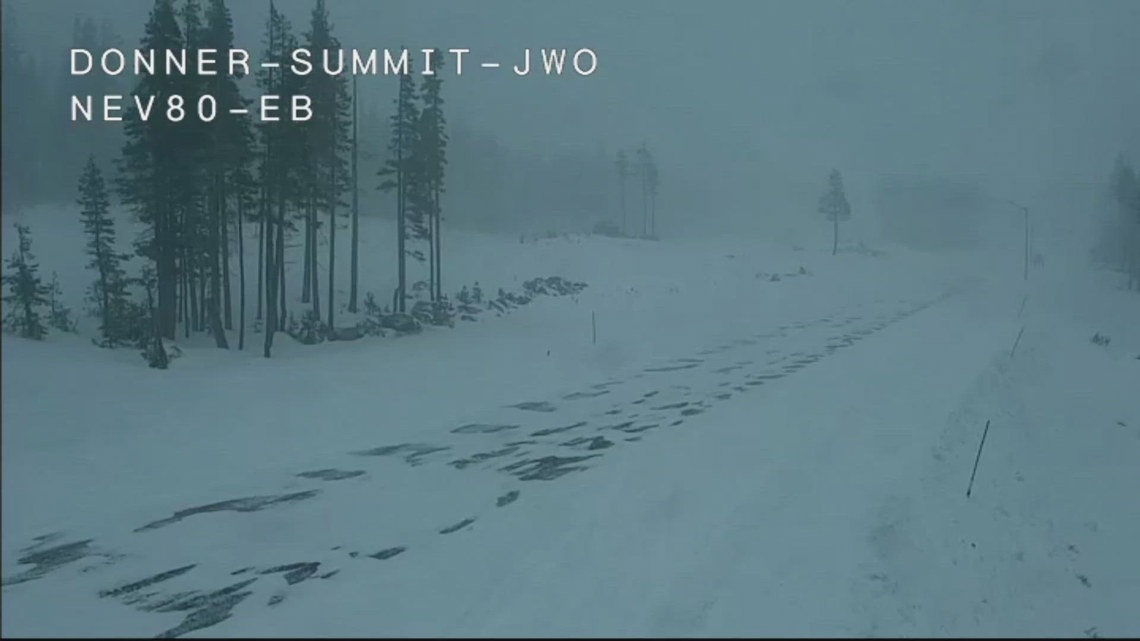
California Winter Storm: Essential Safety Tips for Driving Amid Snow & Ice
As a powerful winter storm system continues its relentless march across California, residents and visitors alike face challenging and potentially dangerous conditions. From the higher elevations of the Sierra Nevada to specific mountain communities, a formidable
Winter Storm Warning Weather California is in effect, bringing with it heavy snow, gusting winds, and treacherous ice. The National Weather Service (NWS) Hanford CA has issued critical alerts for regions like Piute Walker Basin, Tehachapi, and Frazier Mountain Communities, signaling significant snow accumulations of 1 to 2 feet and winds gusting up to 55 mph. These conditions don't just create a scenic winter wonderland; they pose severe threats to travel and personal safety. Understanding these risks and preparing proactively are not just recommendations – they are necessities.
Understanding the Severity of California's Winter Storm Threat
The current
California Winter Storm is far more than a dusting of snow. Forecasts indicate that travel could become "very difficult to impossible," particularly impacting Wednesday evening and Thursday morning commutes. Beyond the immediate driving hazards, strong winds threaten to bring down tree branches, potentially blocking roads or causing power outages. The NWS warnings, in some areas extending until Friday morning, underscore the prolonged nature of this severe weather event. This isn't localized; even Northern California has seen significant impacts, including low snow, extensive traffic delays, and widespread disruption since the storm's arrival. The combination of heavy snowfall, high winds, and the potential for freezing rain creates an environment where even short trips can become perilous.
Why Staying Home is the Safest Option
Authorities, including the California Highway Patrol (CHP), are unequivocally urging residents to postpone or delay travel if at all possible. This isn't an exaggeration; the statistics on weather-related vehicle crashes are stark. On average, over 6,000 people nationwide lose their lives, and more than 480,000 are injured annually due to such incidents. California's unique terrain, with its winding mountain passes and sudden elevation changes, exacerbates these dangers.
During this storm, Northern California has experienced firsthand the consequences of ignoring these warnings: road closures, ski resort shutdowns, and even a significant power outage. Highway 50, a crucial artery, has seen extreme traffic impacts, with mountain passes reportedly "beyond capacity" and drivers enduring hours-long backups. Even more alarmingly, an avalanche warning was issued following an incident in the Castle Peak area where backcountry skiers were reportedly caught. These incidents highlight the broad spectrum of dangers. The message is clear: unless it is an absolute emergency, stay off the roads. Your safety, and the safety of emergency responders, depends on it.
Essential Preparations if Travel is Unavoidable
If your travel is truly unavoidable, meticulous preparation is your first line of defense against the hazards of the California winter storm. Think of your vehicle as a potential shelter and your preparedness kit as a lifesaver.
Vehicle Preparation Checklist:
- Fuel Up: Always start with a full tank of gas. Not only does this prevent you from running out in remote areas, but it also allows you to keep your engine running for warmth if stranded.
- Winter-Ready Tires: Ensure your tires are in good condition with adequate tread. For mountainous regions, carrying tire chains and knowing how to install them is often legally required and absolutely critical for traction on icy roads.
- Emergency Kit Essentials: Pack a comprehensive kit including a windshield scraper, jumper cables, a small shovel, a powerful flashlight with extra batteries, a fully charged cell phone (with a portable charger), blankets, extra warm clothing, drinking water, and high-calorie, non-perishable food.
- Communication is Key: Before departing, inform family or friends of your exact destination, intended route, and estimated time of arrival. This provides a crucial safety net if something goes wrong.
These items are not luxuries; they are necessities that can mean the difference between a minor inconvenience and a life-threatening situation if you become stranded in severe weather.
Navigating Snowy & Icy Roads Safely
Even with the best preparations, driving on snow and ice requires a heightened level of caution and specific techniques.
Key Driving Strategies:
- Slow Down, Significantly: This is the most important rule. Speeds that are safe on dry roads are dangerous on snow and ice. Reduce your speed drastically, allowing for increased stopping distances.
- Assume Ice is Present: If the temperature outside is near freezing, always assume ice is on the roadways, especially in shaded areas, on bridges, and overpasses. Black ice is nearly invisible and extremely hazardous.
- Increase Following Distance: Leave significantly more space between your vehicle and the one in front of you. Stopping distances can be ten times greater on icy roads.
- Smooth Operations: Avoid sudden braking, acceleration, or steering inputs. Gentle maneuvers are key to maintaining traction. If your vehicle has anti-lock brakes, apply firm, steady pressure. If not, pump the brakes gently.
- Watch for Snow Plows: Be alert for snow plows and give them plenty of room to work. Never pass a plow unless you can clearly see the road ahead of it and it's safe to do so. Remember, the road behind a plow is usually the clearest.
- Avoid Hazardous Areas: If possible, choose routes with the fewest trees and power lines, as gusty winds can bring them down. If you encounter a downed power line, never touch it – call 911 immediately.
Before you even turn the ignition, check current road conditions. Resources like 511 (by phone), Caltrans website, and local NWS alerts provide real-time updates that are indispensable for making informed travel decisions.
What to Do If Stranded
Despite all precautions, sometimes getting stranded is unavoidable. In such a situation, your response can dramatically impact your safety.
- Stay Calm: Panic can cloud judgment. Take a deep breath and assess your situation.
- Stay in Your Vehicle: Unless you can see a safe, warm shelter nearby, do not attempt to walk to safety. The dangers of exposure, disorientation, and falling are too great.
- Signal for Help: Use your cell phone to call someone and let them know you're stranded, providing your exact location if possible. Attach a brightly colored cloth to your car antenna or mirror to signal to others that you need assistance.
- Increase Visibility: Use your dome light and emergency flashers intermittently to make your vehicle more noticeable, especially at night.
- Conserve Resources: Run your engine for short bursts (about 10 minutes every hour) to stay warm, ensuring your exhaust pipe is clear of snow to prevent carbon monoxide poisoning. Conserve fuel, food, and water.
Conclusion
The current
Winter Storm Warning Weather California presents significant challenges and risks, particularly for those on the roads. While the beauty of a snow-covered landscape can be enticing, the dangers of heavy snow, powerful winds, and icy conditions are very real. The primary message from authorities and weather experts is clear: avoid non-essential travel. If you must venture out, meticulous preparation, cautious driving practices, and knowing how to respond if stranded are paramount. Prioritize safety, stay informed about evolving conditions, and heed official warnings. By doing so, you can help ensure your well-being and contribute to the safety of everyone navigating this severe California winter storm.