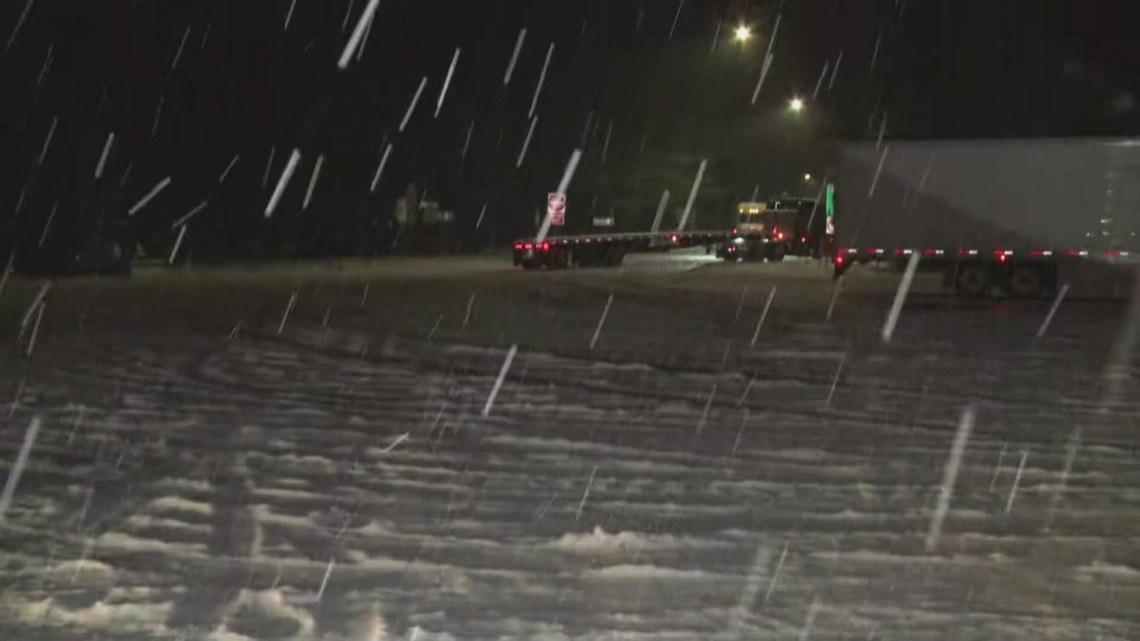
California Winter Storm: Avalanches, Road Closures & Severe Travel Delays Hit NorCal
Northern California is currently grappling with a potent winter storm system, triggering a comprehensive Winter Storm Warning Weather California residents and travelers need to heed. From treacherous mountain passes to unexpected avalanche threats, this severe weather event has brought widespread disruption, making travel exceptionally challenging, if not impossible, across significant parts of the state. As heavy snow continues to fall and powerful winds lash the region, authorities are urging extreme caution and advising against non-essential travel to ensure public safety.
NorCal Braces for Heavy Snowfall and Gusting Winds
The National Weather Service (NWS) Hanford, CA, has issued an updated winter storm warning, underscoring the severity and extended duration of this weather phenomenon. Effective until Friday at 7 a.m., this critical alert targets areas including Piute Walker Basin, Tehachapi, and the Frazier Mountain Communities, which are expected to bear the brunt of the storm's fury. Forecasters are predicting additional snow accumulations of 1 to 2 feet, piling onto existing snowfall, while winds could gust as high as 55 mph. These extreme conditions paint a grim picture for those caught unaware.
The NWS has explicitly stated that travel could become "very difficult to impossible," particularly impacting the Wednesday evening and Thursday morning commutes. The combination of heavy snowfall and powerful winds poses significant hazards, with gusty winds capable of bringing down tree branches and power lines, leading to potential outages and further road blockages. For anyone who must venture out, the NWS strongly advises carrying an extra flashlight, food, and water in your vehicle – essential provisions in case of an emergency. Up-to-the-minute road conditions for California can always be obtained by dialing 511, a critical resource during such events. For more detailed information on current alerts, you can read our California Winter Storm Warning: NWS Alerts for Snow & Wind Through Friday article.
Avalanches and Road Closures Cripple Travel Across the Sierras
The unfolding winter storm has not only brought heavy snow but also alarming natural hazards, with avalanches becoming a significant concern. A harrowing incident occurred near the Castle Peak area, where an avalanche struck around 11:30 a.m. on Tuesday. According to the Nevada County Sheriff's Office, a group of backcountry skiers was caught in the slide, leading to several members of their party being reported missing. This tragic event underscores the extreme dangers posed by unstable snowpacks during and after intense snowfall. An avalanche warning, issued early Tuesday, highlights the widespread risk across the region's mountainous terrain, urging everyone, even experienced adventurers, to avoid backcountry travel.
Compounding the avalanche threat, road networks across Northern California have been severely impacted, leading to widespread closures and unprecedented traffic delays. The California Highway Patrol (CHP) reported that conditions along Highway 50, a major artery into the Sierra Nevada, were "extremely impacted." Mountain passes have been described as "beyond capacity," with travelers experiencing hours-long backups in both directions. Officials have strongly advised against any non-essential travel to the snow for the duration of the storm system, citing deteriorating conditions and the risk of becoming stranded. Ski resorts have also been forced to close, further limiting options for recreation and increasing congestion on the few open routes.
For those who absolutely must travel, authorities are emphasizing rigorous preparation: carry snow chains and know how to install them, expect extreme delays, verify current road conditions before departure, and ensure your vehicle is fully equipped for severe winter driving. The strain on emergency services during these conditions is immense, making individual preparedness paramount. For comprehensive guidance on navigating these treacherous conditions, refer to our article on California Winter Storm: Essential Safety Tips for Driving Amid Snow & Ice.
Essential Winter Driving Safety: Beyond the Basics
The statistics are stark: weather-related vehicle crashes claim over 6,000 lives and injure more than 480,000 people nationwide annually. This Winter Storm Warning Weather California is experiencing is a stark reminder of these dangers. Therefore, understanding and implementing proper winter driving techniques is not just advisable, but critical for survival.
Here are crucial winter weather driving tips, expanded with additional insights:
- Slow Down and Assume Ice: The most fundamental rule. Even if temperatures are just above freezing, black ice can form on roadways, especially on bridges and overpasses. Reduce your speed significantly and increase following distance.
- Avoid Driving If Possible: If snow or freezing rain is present, or if ice has formed on power lines and tree branches (indicating their increased risk of snapping), it is safest to stay home. Postponing your trip is often the wisest decision.
- Choose Your Route Wisely: If travel is unavoidable, select a route with the fewest trees and power lines, reducing your risk of encountering fallen debris or live wires.
- Beware of Downed Power Lines: Never approach or touch a downed power line. Always assume it is live and extremely dangerous. Report it immediately by calling 911.
- Inform Others of Your Travel Plans: If you're traveling out of town, especially in hazardous conditions, always notify family or friends of your destination, intended route, and estimated time of arrival. This provides a critical starting point for search and rescue if you become stranded.
- Vehicle Preparedness is Non-Negotiable:
- Ensure your gas tank is full; running out of fuel in cold weather can quickly become life-threatening.
- Pack a windshield scraper and brush for visibility.
- Carry jumper cables, a small shovel, and a working flashlight with extra batteries.
- Always have a fully charged cell phone.
- Include blankets and extra warm clothing, drinking water, and high-calorie non-perishable food.
- If Stranded, Stay Put and Signal for Help: Do not panic. Remain inside your vehicle, which provides shelter. Call someone to inform them of your precise location. Attach a brightly colored cloth to your car antenna or mirror to signal distress. Use your vehicle's dome light and emergency flashers to increase visibility, especially at night. Do not try to walk to safety in blizzard conditions; hypothermia is a serious risk.
- Give Snow Plows Ample Space: Snow plows are vital for clearing roads. Give them plenty of room to operate. Never pass a plow unless you can clearly see the road ahead of it, as visibility can be severely reduced behind them.
- Check Road Conditions BEFORE You Depart: This cannot be stressed enough. Utilize resources like 511, local news, and state Department of Transportation websites to get the latest updates. Conditions can change rapidly, so checking right before you leave is crucial.
Planning Ahead: Staying Informed and Safe
The dynamic nature of this Winter Storm Warning Weather California demands constant vigilance and proactive planning. Residents in affected areas should not only prepare for immediate travel impacts but also consider broader safety measures. This includes having an emergency kit at home, anticipating potential power outages, and ensuring alternative arrangements for work or school if commutes become unfeasible. The ongoing nature of the NWS warning until Friday morning means sustained vigilance will be required.
Beyond individual preparedness, community awareness plays a vital role. Checking on elderly neighbors or those with mobility issues, especially during power outages, can save lives. Understanding that emergency services will be stretched thin during such severe weather means that prevention and self-sufficiency are your best defenses. Monitoring local news and official NWS updates, which are often provided hourly, will be crucial for making informed decisions as the storm progresses and recedes.
Conclusion
The current California winter storm is a powerful and dangerous event, bringing with it not only heavy snow and high winds but also the serious threats of avalanches and widespread travel disruption. As the National Weather Service's warnings remain in effect, the emphasis on safety, preparedness, and informed decision-making cannot be overstated. By heeding official advisories, equipping vehicles appropriately, and prioritizing safety over convenience, Californians can navigate these challenging conditions and mitigate the risks associated with this significant winter storm. Stay safe, stay warm, and stay informed.